
LSE经济学挑战数学部分怎么复习?先分清应用数学与TMUA风格数学,再围绕计算、读图和逻辑条件做专项练习,最后放进整卷检验。报名于2026年12月27日截止,挑战日为2027年1月9日,现在适合先找薄弱项,再安排复习顺序。

一、数学复习先分两条线
LSE经济学挑战把宏观、微观与数学内容放在同一套测评中,整卷为英文50道选择题、90分钟。复习数学时,既要能够完成运算,也要理解题干怎样描述数量关系。只把经济公式背熟,遇到函数图像或充分必要条件判断时,仍可能找不到入口。
按学术模块整理,应用数学包括描述性统计、概率与概率分布、假设检验、相关与简单线性回归;TMUA风格数学涉及代数与函数、微积分、几何与向量、数学和逻辑推理。两条线都需要准备,但这不意味着应直接照搬另一场考试的整套题量和配分。先对照自己已学课程,把“没学过”和“学过但做不稳”分开,复习才有先后顺序。
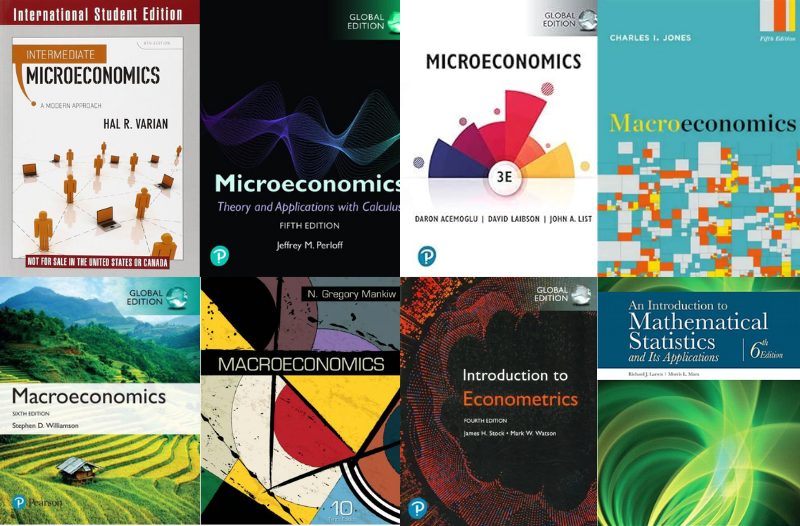
下图把数学与经济学模块放在一起。看图时建议只圈出自己需要补的主题,例如已经熟悉代数,却从未接触相关与回归,就应把后者放进学习清单,而不是继续重复熟悉的计算题。
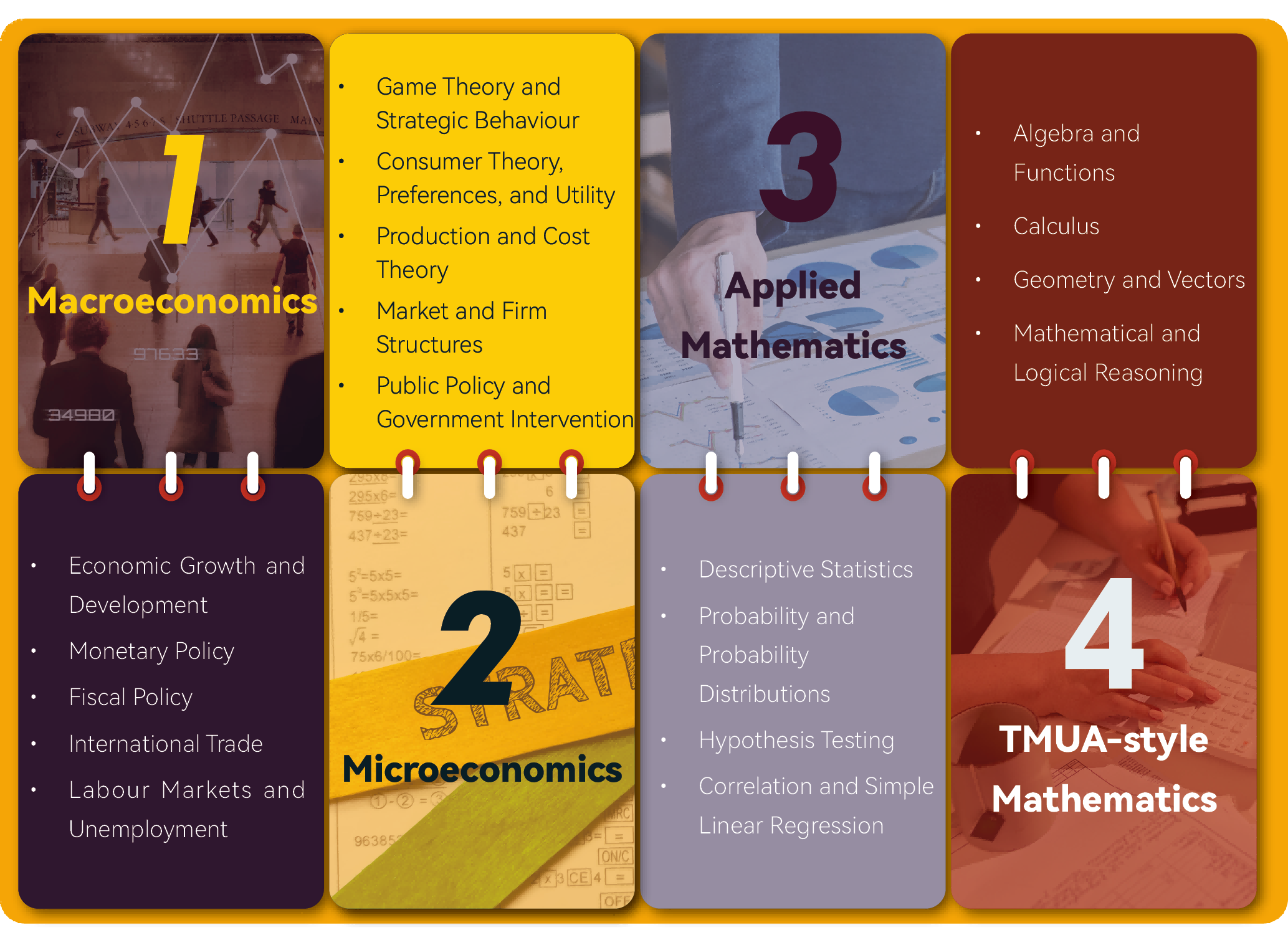
LSE经济学挑战学术模块
二、按错误表现选练习,而不是平均刷题
先做少量不同主题的题,记录第一处卡住的位置:是不认识概念、不能列式、运算出错,还是读错限制条件。下面这张表可用来决定下一次练习做什么,它是复习建议,不代表各模块的考试占比。
| 练习主题 | 应练到的表现 | 检查自己的问题 |
|---|---|---|
| 统计与概率 | 说明数据、概率与结果之间的关系 | 概率之和是否为1?求的是均值还是波动? |
| 假设检验与回归 | 读懂变量、估计值和给定统计量 | 统计关系能否直接推出因果? |
| 代数、函数与微积分 | 将式子、图像与变化趋势对应起来 | 定义域、边界与极值是否检查? |
| 几何与向量 | 先画示意图,再表达长度和方向 | 投影与实际长度有没有混用? |
| 逻辑推理 | 区分条件方向,并寻找反例 | 题目问充分条件,还是必要条件? |
如果一题反复错在分母或符号,可以把计算单独拆出来练;如果公式没有错、答案却总不对,就回到题意,检查变量究竟表示总量、增量还是比例。两种错误需要不同练法,继续做同样数量的新题不一定能解决问题。
三、用小例子把公式的含义讲清楚
概率题先解释权重。用一个自设练习:随机变量以相同概率取2或8,期望是5,方差是9。这里的5是长期平均意义下的中心,并不是这个变量一定能取到的值。算出结果后再问自己:如果两种结果的概率不相同,哪一步需要调整?这比只背“平方的期望减期望的平方”更能检查理解。
函数题同时看限制和图像。例如把二次函数配方后,可以更快判断顶点,但顶点能否成为题目要求的最优值,还取决于允许的取值范围。经济情境里的数量往往要求非负,题目也可能给出额外区间;算出一个驻点就立刻选答案,容易漏掉边界。
逻辑题用反例检查方向。“数能被4整除”可以推出“数是偶数”,反过来却不成立,6就是反例。遇到复杂表述时,先把文字压缩为两个命题,再分别检查两个方向。练习的目标是把条件关系说明白,不是看到熟悉词语就快速猜选项。
四、从分题练习过渡到混合限时
① 先做概念诊断。每个薄弱主题选少量题目,不限时写完整过程。遇到术语时同时记录英文表达和数学含义,例如均值、方差、估计值和条件,避免只记中文解释、考试时认不出英文问法。
② 再做短组混合题。把已经学过的不同主题放在一起,要求自己先判断用什么方法,再开始计算。核对答案时,把“方法选错”与“方法正确但执行出错”分开记录,下一次只针对主要失分原因调整。
③ 最后做整卷节奏训练。90分钟与50题算出的平均时间,只能作为整卷配速参照,不能机械要求每题用同样时间。明确自己哪些题可以迅速完成,哪些需要暂时标记后返回,并给最后的检查留出余量。
五、复习完成的标准是什么?
一个主题是否掌握,可以用三个问题判断:能否不看笔记解释概念,能否独立完成一道变式,能否指出一个错误选项为什么不成立。如果只能跟着解析点头,就还需要主动重做;如果计算正确却耗时过长,再考虑简化步骤和提升熟练度。
距离报名截止还有一段准备窗口,可以先用一周完成诊断,再按薄弱项安排后续学习。报名面向9—12年级学生;因时差原因,部分地区在2027年1月8日举行,参加前也要确认自己所在地区的安排。把复习成果落实为“能独立解释并完成的题目”,比把教材翻过多少页更能帮助你判断下一步。
我们是LSE 官方授权考点
扫码咨询报名与领取备赛资料 ⇓

>>> 一键评估,让AI精准定位你的经济学水平:LSE在线水平测试
LSE新赛季备赛已开启,扫码领取LSE备赛资料⇓
欢迎咨询【LSE辅导课程】